Who Really Controls Politics? The Answer Isn't What You Think.
What if I told you that elections are no longer won only on stages, in rallies, or through television debates? They are being shaped every single day on your phone screen.
What if I told you that elections are no longer won only on stages, in rallies, or through television debates? They are being shaped every single day on your phone screen.
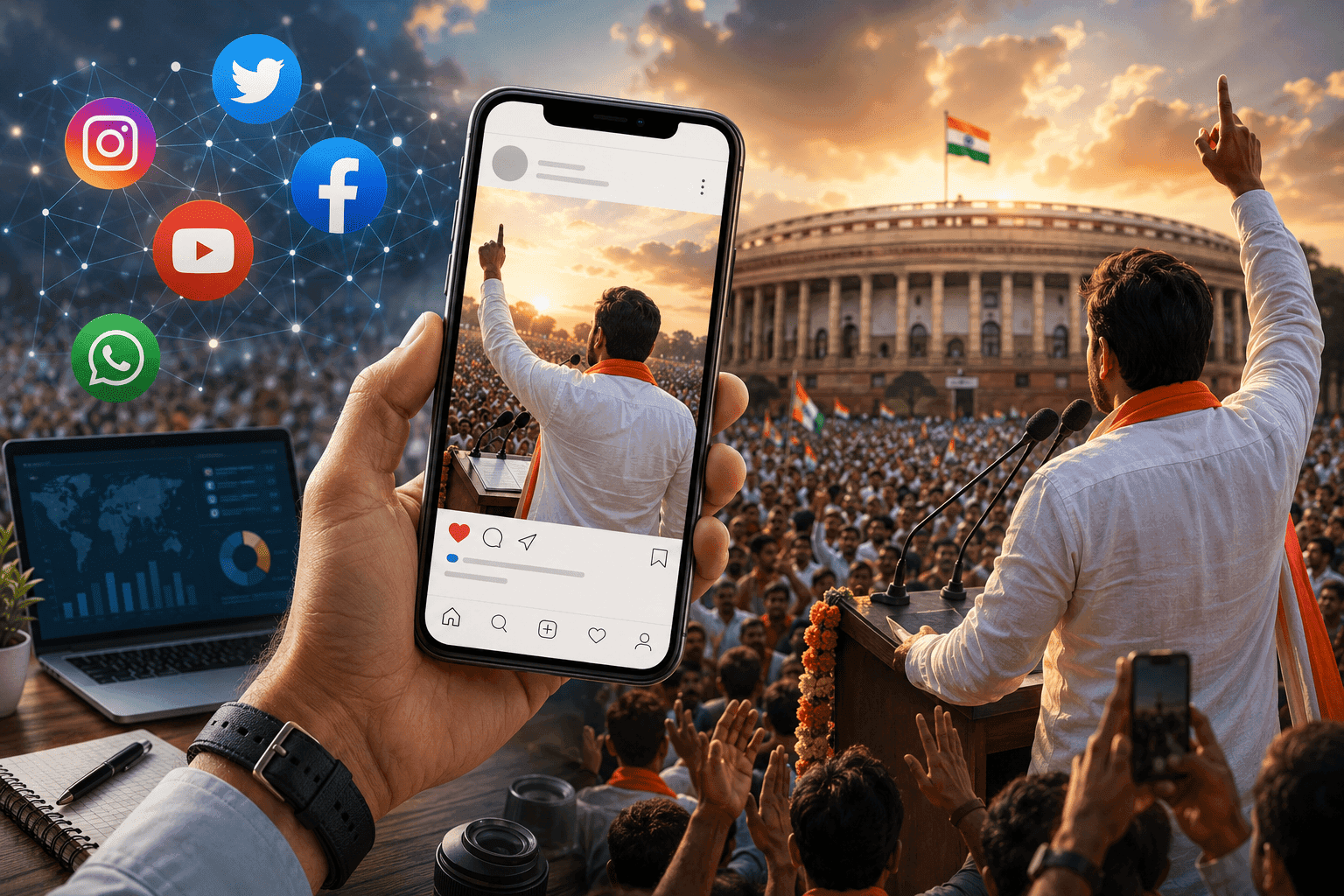
Every morning, millions of people unlock their smartphones before they even speak to their families. They scroll through Instagram, Facebook, Twitter, Youtube shorts, and Whatsapp. Somewhere between entertainment, news, and trending videos, they come across a political speech, a campaign reel, a leader's statement, or a viral post.
The question is no longer "Who controls politics?" The real question is: Who controls the digital conversation around politics?
In today's world, political influence is not just built through speeches and public appearances. It's created through strategic content, consistent storytelling, audience engagement, and a powerful digital presence. Political leaders who understand this are no longer just competing in elections they are building communities online that trust, support, and amplify their message.
Politics Has Entered the Digital Era
A few years ago, political campaigns depended heavily on newspapers, television advertisements, rallies, banners, and public meetings. While those methods still matter, the battlefield has changed dramatically.
Today, a single Instagram Reel can reach more voters than a local political gathering. A well-crafted Facebook post can spark discussions across thousands of households. A timely Twitter update can dominate news headlines within minutes. Even a simple Instagram Story can make citizens feel connected to their leaders.
People don't wait for tomorrow's newspaper anymore. They expect updates instantly, and they expect leaders to communicate directly. This shift has completely transformed political marketing, making digital platforms one of the most powerful tools in modern politics.
Public Perception Is Built One Post at a Time
Politics has always been about trust. But today trust is often built online before it is built offline. Every photo shared, every campaign video uploaded, every speech clipped into a short-form reel, and every festival greeting contributes to how people perceive a political leader. Consistency matters more than occasional visibility.
A leader who communicates regularly through meaningful content appears approachable, transparent, and active. On the other hand, an inactive social media profile can create the impression that the leader is disconnected from public concerns even when that’s not true.
This is why successful political leaders invest in creating valuable digital content instead of posting only during elections. Effective political communication includes:
- Informative social media posts
- Short-form reels highlighting initiatives
- Behind-the-scenes campaign moments
- Stories that create daily engagement
- Timely responses to public issues
Behind Every Strong Political Brand Is a Smart Digital Strategy
Many people assume that politicians manage their own social media accounts. The reality is quite different. Behind every engaging political profile is usually a dedicated team working on content planning, graphic design, video editing, trend analysis, audience engagement, and digital strategy.
Political communication today requires much more than simply uploading photographs. Every campaign message needs careful planning, every caption needs the right tone, and every reel must capture attention within the first few seconds. Every post should reflect the leader's vision while encouraging meaningful public engagement.
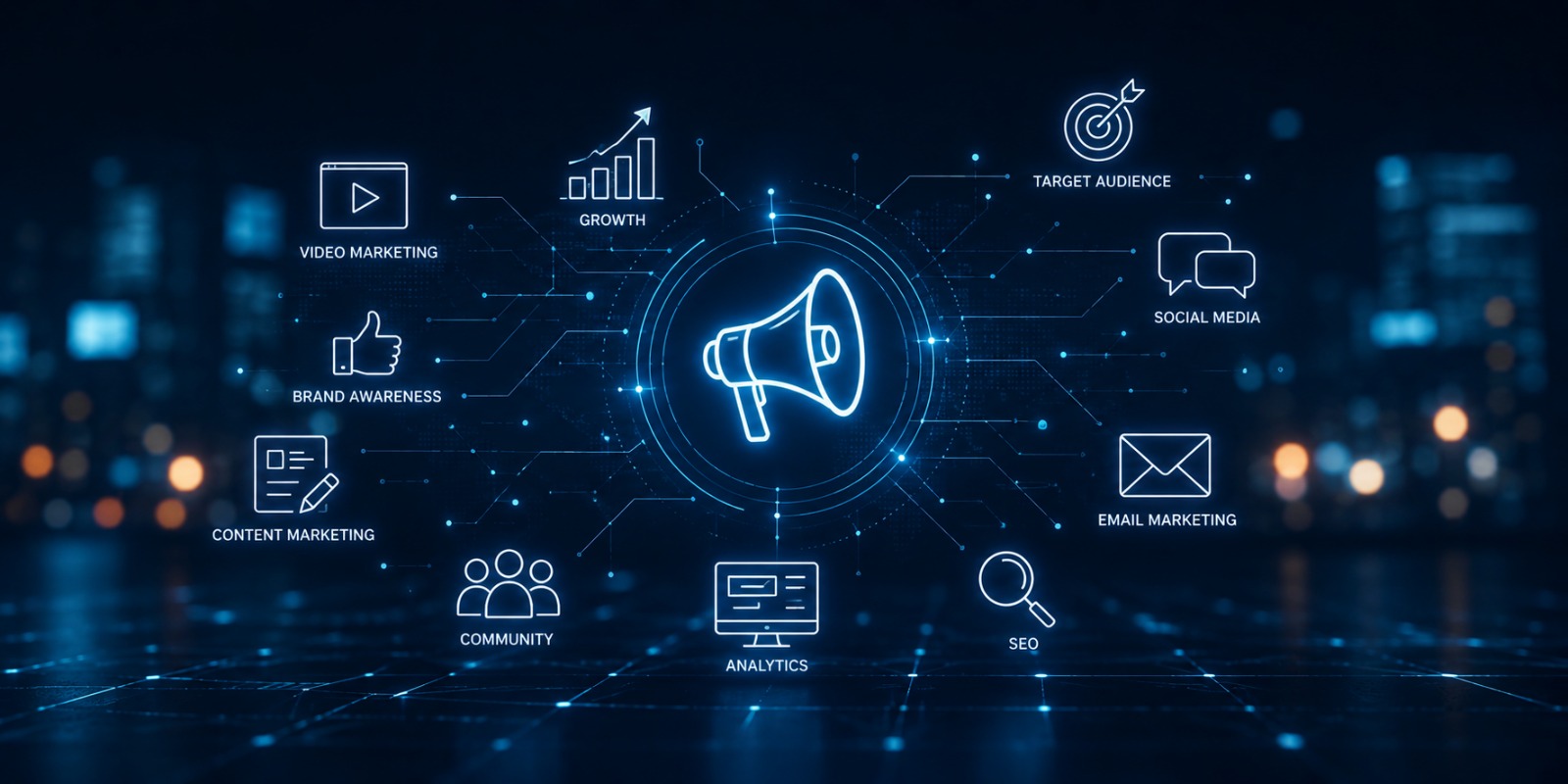
This is where political digital marketing becomes essential. A professional digital strategy ensures that every message reaches the right audience at the right time through the right platform.
Why Social Media Has Become the New Political Battlefield
Whether it's a local election, municipal campaign, state assembly, or national movement, social media has become the place where opinions are formed long before voting day.
Citizens now expect leaders to be visible online. They want to see development work, public meetings, policy announcements, community interactions, interviews, celebrations, and even behind-the-scenes moments. Platforms like Instagram, Facebook, YouTube, LinkedIn, and Twitter have become powerful tools for political storytelling.
The leaders who consistently educate, inform, and engage their audience are often remembered longer than those who appear only during campaign season. Digital visibility creates familiarity, Familiarity builds trust, and trust often influences public opinion. That is why political social media management is no longer optional it's an essential part of modern leadership.
How We Help Political Leaders Build a Powerful Digital Presence
- Creating impactful political content requires creativity, consistency, strategy, and a deep understanding of public communication. At our agency, we help political leaders transform their digital presence into meaningful engagement.
- From designing professional social media posts to creating high-performing Instagram Reels, engaging Stories, campaign creatives, festival greetings, event highlights, speech snippets, and issue-based content, every piece is crafted to communicate authenticity and strengthen public trust. Our approach goes beyond attractive visuals.
- We focus on building a digital identity that reflects the leader's personality, values, achievements, and vision. Every campaign is backed by content planning, audience research, platform-specific strategies, and performance analysis to ensure that communication remains relevant and impactful.
- Whether it's maintaining consistency across social media platforms, creating viral short-form videos, increasing audience engagement, or managing an entire political digital campaign, we work behind the scenes so leaders can focus on serving the public while their digital presence continues to grow.
Final Thoughts
The question isn't who controls politics anymore it's who shapes the conversation that people see, share, and believe. In a world where a single post can spark discussions and a short reel can reach thousands within hours, digital presence has become one of the most powerful assets for any political leader.
Building that presence isn't about posting every day, it's about communicating with purpose, maintaining consistency, and earning public trust through authentic storytelling. From highlighting developmental work and public initiatives to engaging with citizens in real time, every piece of content contributes to a leader's image and influence.